
Humanoid Robots for Agriculture: Complete 2025 Farm Automation Guide
The future of agriculture is here. Compare 7 cutting-edge humanoid robots designed for agricultural tasks and household assistance. From fruit picking to greenhouse operations, equipment maintenance to home automation—discover which humanoid robot fits your needs.
Top Picks by Category
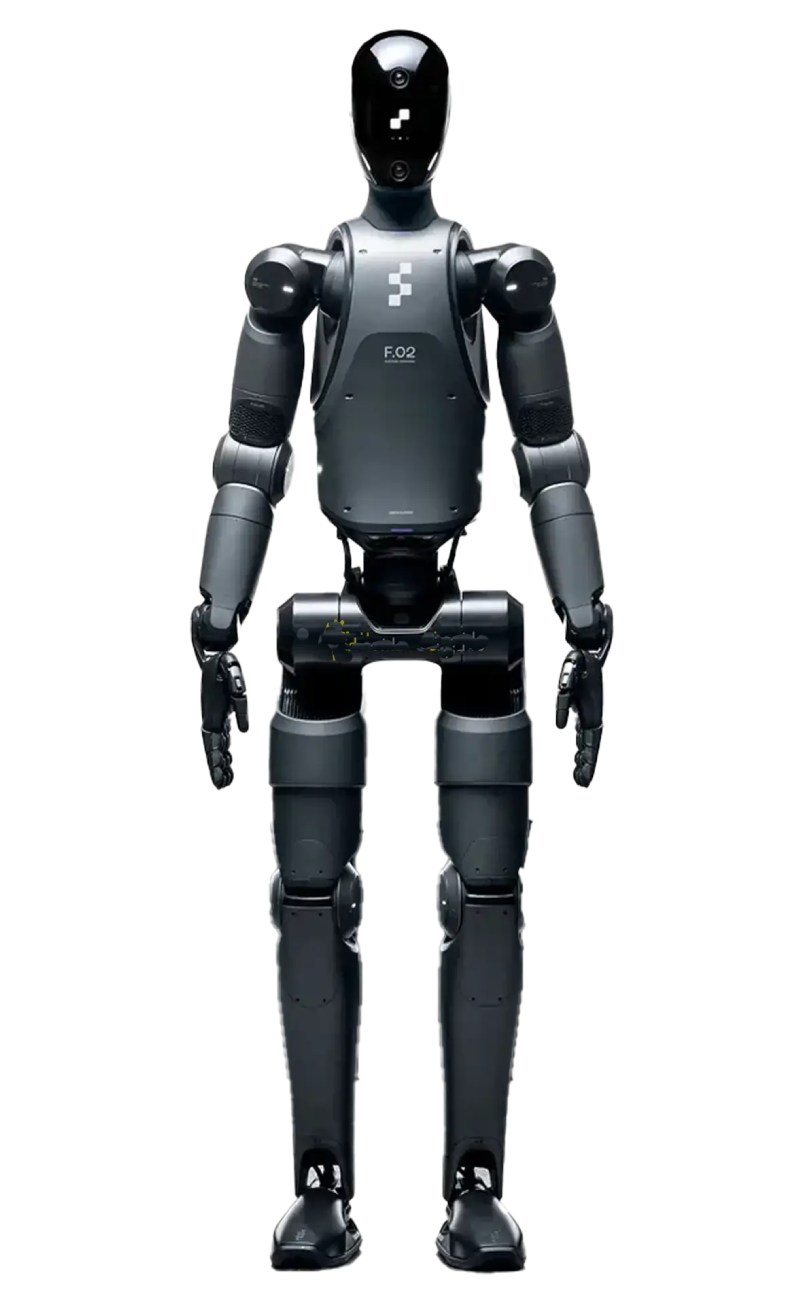
Figure 02
Figure AI
Advanced AI capabilities

Apptronik Apollo
Apptronik
Designed for practical work tasks
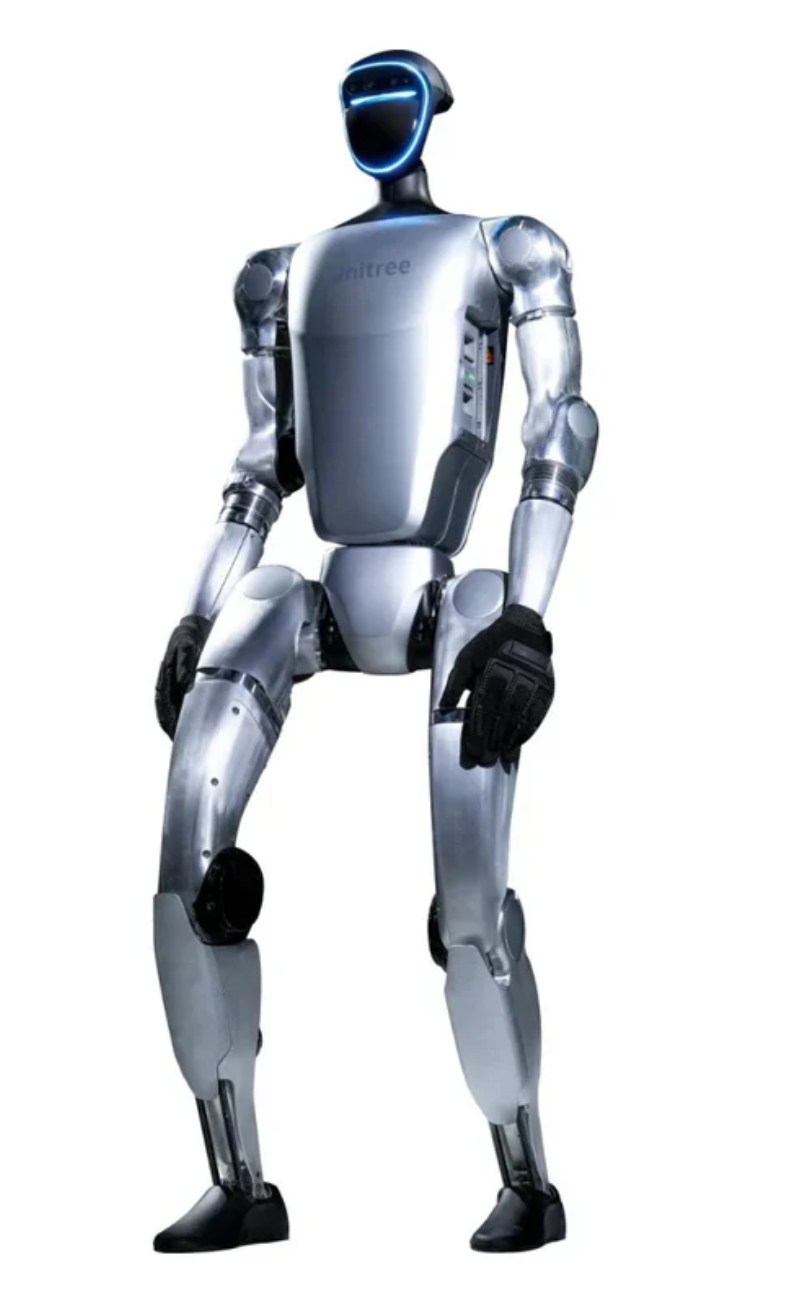
Unitree G1
Unitree Robotics
Extremely affordable for a humanoid robot
Important: Emerging Technology
Humanoid robots for agriculture are in early stages. Most models are prototypes or limited pilots as of 2025. Expect significant evolution in capabilities, pricing, and availability through 2026-2028.
Quick Comparison
Swipe horizontally to compare all robots side-by-side
Figure 02
Figure AI
Apptronik Apollo
Apptronik
Unitree G1
Unitree Robotics
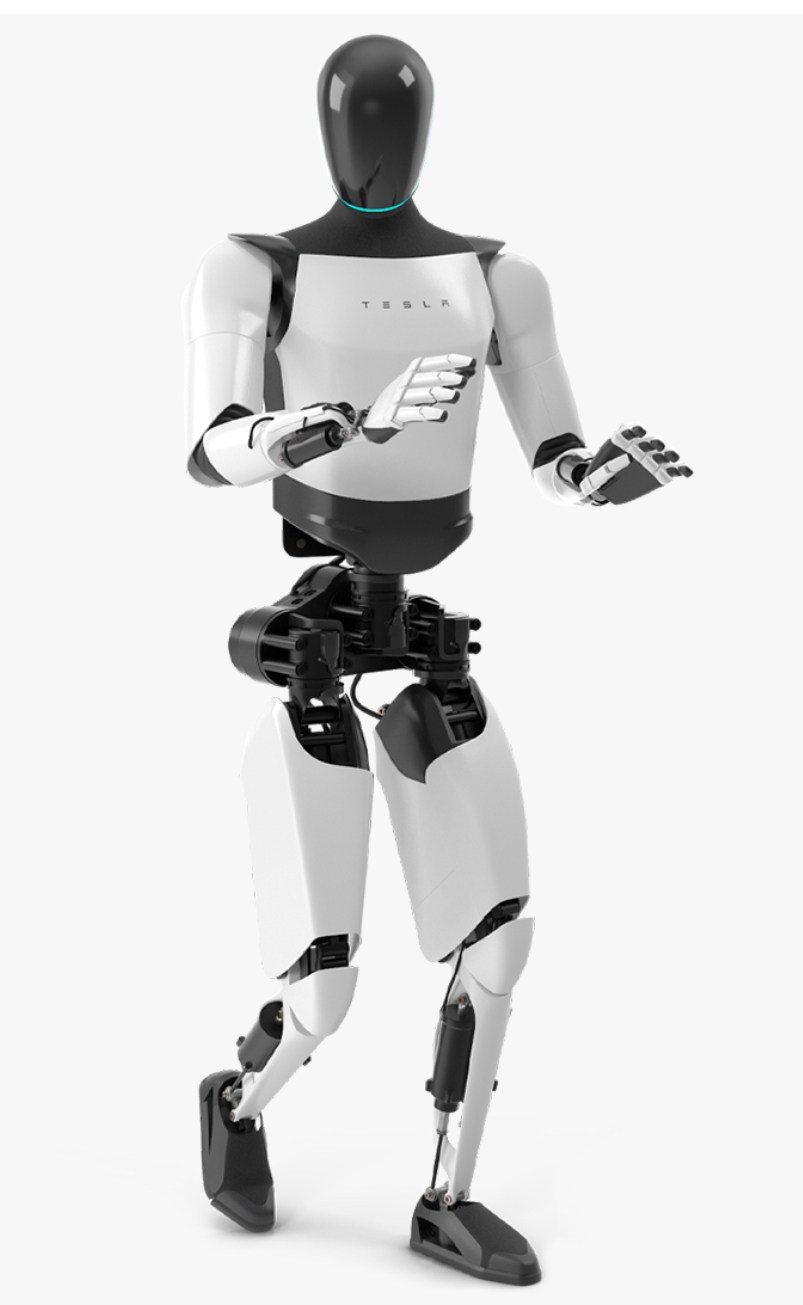
Tesla Optimus (Gen 2)
Tesla

1X NEO
1X Technologies (formerly Halodi)

AgiBot RAISE A1
AgiBot (China)
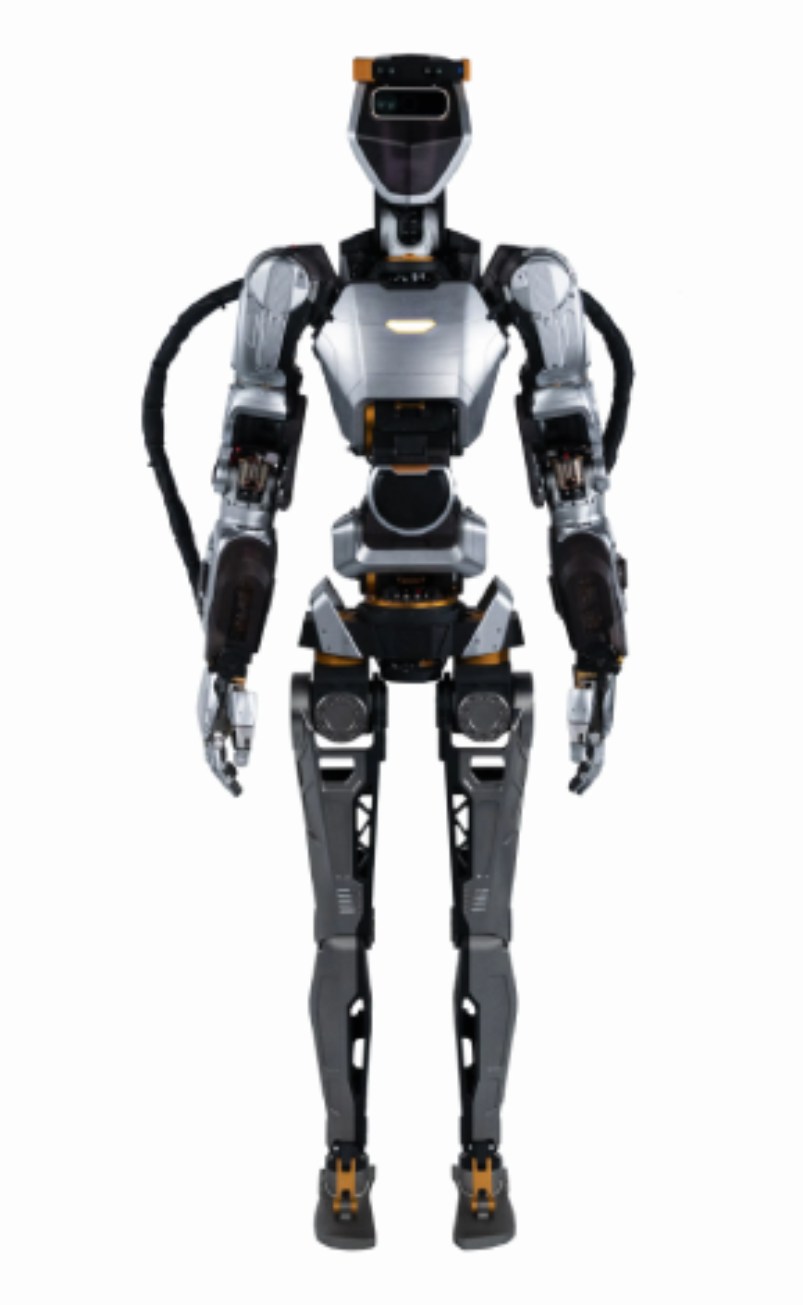
Sanctuary Phoenix
Sanctuary AI
Detailed Analysis
Figure 02
Most VersatileFigure AI • USA
Physical Specifications
Agricultural Tasks
Precision fruit picking (strawberries, tomatoes, apples) with soft-touch sensors preventing bruising, greenhouse plant monitoring and health assessment, detailed crop sampling for analysis, careful transplanting of seedlings, AI-powered pest and disease identification with immediate reporting, selective weeding between crop rows, irrigation system monitoring and maintenance
Household Tasks
Secondary application: General household tasks during off-season
Technology & AI
Advanced AI with OpenAI integration, whole-body control, tactile sensors, vision system
Strengths
Advanced AI capabilities, human-like dexterity, rapid learning, excellent for delicate manipulation tasks
Limitations
Very expensive, limited availability, requires substantial technical infrastructure
Apptronik Apollo
Best for Ag TasksApptronik • USA
Physical Specifications
Agricultural Tasks
Heavy-duty crop harvesting (apples up to 25kg bins, berry containers), high-speed produce packing and palletizing, automated vegetable sorting by size and quality, transport of harvest bins across farm, routine greenhouse structure maintenance and repairs, comprehensive irrigation system inspection and valve operation, fertilizer and pesticide container handling, equipment cleaning and preparation
Household Tasks
Limited household application - designed for farm work
Technology & AI
Modular design, advanced actuators, perception system with multiple cameras and sensors
Strengths
Designed for practical work tasks, robust payload capacity, proven industrial partnerships, swappable batteries
Limitations
Less refined for delicate household tasks, industrial aesthetic, ongoing development
Unitree G1
Best ValueUnitree Robotics • China
Physical Specifications
Agricultural Tasks
Continuous crop monitoring with visual and thermal imaging, automated data collection (temperature, humidity, plant growth metrics), systematic visual inspection of crop rows, lightweight sample transport to analysis stations, 24/7 greenhouse patrol for early problem detection, basic plant health documentation with photo capture
Household Tasks
Limited payload restricts household applications - optimized for monitoring tasks
Technology & AI
Advanced joint actuators, vision cameras, LiDAR, force sensors
Strengths
Extremely affordable for a humanoid robot, good mobility, developer-friendly platform, proven track record with quadruped robots
Limitations
Lower payload capacity, less sophisticated AI, smaller form factor limits reach, primarily a research/development platform
Tesla Optimus (Gen 2)
Tesla • USA
Physical Specifications
Agricultural Tasks
Autonomous soft fruit harvesting (berries, grapes, tomatoes), precision weeding with plant recognition to avoid crop damage, automated seed planting with optimal spacing, smart irrigation management and leak detection, tractor and equipment maintenance checks, high-speed produce sorting with defect detection, field boundary maintenance, harvest yield counting and documentation
Household Tasks
Off-season household assistance as secondary function
Technology & AI
Tesla AI (FSD-derived), neural networks, tactile fingers, actuated hands with 11 DOF
Strengths
Potential for mass production at low cost, advanced AI ecosystem, Tesla manufacturing scale, battery expertise
Limitations
Not yet commercially available, timeline uncertain, unproven in real-world applications, hype vs. reality gap
1X NEO
1X Technologies (formerly Halodi) • Norway / USA
Physical Specifications
Agricultural Tasks
Precision greenhouse plant care with individual plant attention, automated watering schedules based on soil moisture, gentle harvesting of delicate hydroponic crops, expert transplanting with root protection, continuous multi-sensor crop monitoring, transport of tools and supplies up to 70kg, climate control adjustment, grow light maintenance, nutrient solution preparation and distribution
Household Tasks
Dual-use design allows household work during agricultural off-season
Technology & AI
Soft-touch design, tendon-driven actuators, whole-body AI, 360° environmental awareness
Strengths
Specifically designed for home use, exceptional payload despite low weight, safe soft-touch design, subscription model reduces upfront cost
Limitations
Wheeled base limits outdoor agricultural use, still in early deployment phase, performance in complex ag environments unproven
AgiBot RAISE A1
AgiBot (China) • China
Physical Specifications
Agricultural Tasks
Comprehensive tractor and machinery inspection with 49 DOF dexterity, precision bolt tightening and adjustment on combines and harvesters, heavy tool and spare parts transport (up to 80kg), processing facility equipment operation, vehicle maintenance checks and fluid level monitoring, conveyor belt inspection and repair, silo and storage facility safety inspections, heavy container and pallet movement
Household Tasks
Industrial focus - not designed for household use
Technology & AI
49 degrees of freedom, RGBD camera, LiDAR, modular sensor integration
Strengths
Highest payload capacity, industrial-proven, modular design, rapid development pace, excellent for maintenance tasks
Limitations
Industrial focus reduces suitability for delicate ag tasks, less household-oriented, limited English documentation
Sanctuary Phoenix
Sanctuary AI • Canada
Physical Specifications
Agricultural Tasks
AI-powered crop quality inspection with defect classification, delicate berry and fruit harvesting with human-like touch, advanced sorting with size, color, and ripeness grading, packaging with contamination prevention, statistical quality control and reporting, autonomous greenhouse operations including pruning and training, post-harvest handling with minimal bruising
Household Tasks
Cognitive abilities allow learning new tasks - household work possible but not primary focus
Technology & AI
Carbon AI (human-like intelligence), advanced sensors, proprietary control system
Strengths
Advanced AI with human-like reasoning, demonstrated real-world retail deployment, excellent dexterity, cognitive task handling
Limitations
Very expensive, limited availability, focused on retail/service initially, agricultural applications secondary
Agricultural Use Cases
Delicate Fruit Harvesting
Humanoid robots with soft-touch sensors and dexterous hands can pick strawberries, tomatoes, and apples without bruising. Vision systems assess ripeness in real-time.
Greenhouse Operations
Transplanting seedlings, monitoring plant health, watering, climate data collection. Robots work 24/7 in controlled environments without fatigue.
Sorting & Quality Control
AI-powered vision systems identify defects, sort by size/quality, and pack produce with consistency. Handles fragile items with precision.
Equipment Maintenance
Inspecting tractors, tightening bolts, checking irrigation systems, identifying mechanical issues. Uses tools like humans do.
Crop Monitoring & Data Collection
Walking through fields collecting visual data, measuring plant growth, detecting pests/diseases early. Uploads to farm management systems.
Dual-Use: Farm + Home
The same robot can work on farm tasks during harvest season and assist with household chores during off-season. Maximizes ROI for small farms.
Which Robot Should You Choose?
If you need: Delicate Crop Harvesting
Choose Figure 02 or Sanctuary Phoenix for their advanced AI and human-like dexterity. Best for high-value crops like strawberries, tomatoes, and specialty fruits.
If you need: Heavy-Duty Work Robot
Choose Apptronik Apollo or AgiBot RAISE A1 for payload capacity (25-80 kg), industrial durability, and practical task focus. Best for packing, sorting, and equipment maintenance.
If you need: Best Value Option
Choose Unitree G1 at $16,000 for monitoring, data collection, and light tasks. Best for small farms, research, or testing humanoid robots before larger investments.
If you need: Farm + Household Versatility
Choose 1X NEO for dual-use capability. Work on greenhouse tasks, then assist with household chores. Best for family farms wanting to maximize robot utilization year-round.
If you're unsure: Wait and Watch
Humanoid robots for agriculture are still in early development. If you're not an early adopter willing to accept risk, wait until 2026-2027 for proven deployments, realistic pricing, and verified ROI data. Monitor Tesla Optimus and specialized ag robot developments—but remember that mass-market viability may be 5-10+ years away, per industry veteran perspectives.
Technical Capabilities & Limitations
Modern humanoid robots bring impressive sensor suites and AI, but several technical bottlenecks still constrain full farm deployment. Understanding these helps set realistic expectations.
Current Technical Bottlenecks
Perception & Vision
HighIdentifying fruits hidden behind leaves, distinguishing weeds from crops, handling variable outdoor lighting
Terrain Navigation
HighMud, uneven furrows, slopes, rocks - bipedal robots struggle on rough ground
Weather Durability
MediumDust, rain, extreme temperatures, not fully sealed to agricultural standards
Battery & Power
Medium4-8 hour runtime limits, charging infrastructure needed in fields
Fine Motor Control
HighDelicate tasks like picking ripe strawberries without bruising still at edge of capability
AI Autonomy
HighLimited contextual adaptation, struggles with unexpected situations
Greenhouse vs. Open Field Deployment
- Flat concrete aisles or raised beds - easy navigation
- Consistent climate - no rain, controlled temperature
- Close to power - easy charging infrastructure
- Structured layout - predictable row spacing
- Best tasks: Tomatoes, cucumbers, peppers, herbs
- Uneven terrain - mud, furrows, slopes, rocks
- Weather extremes - rain, 40°C heat, frost, dust
- Remote power - limited charging access
- Variable conditions - glare, shadows, foliage density
- Status: Requires more development for reliability
Expert Insight: "We are developing a robot that can be used in open fields, exactly in the crops as they are... small and cost-effective enough that even small farms can afford it." – Heiner Peters, DFKI (German Research Center for AI)
Business Case and ROI for Agricultural Humanoid Robots
Understanding the economics and return on investment is critical for farm adoption decisions
The charts and calculators below break down the real economics of humanoid robots in agriculture. We compare current farm labor costs against robot investment, show two real-world ROI scenarios (greenhouse tomatoes and strawberry farms), and reveal the hidden costs and strategic benefits most vendors don't talk about. Use these numbers to build your own business case for robot adoption.
The Labor Economics Challenge
California strawberry grower case study: A mid-size operation (100 acres) spends roughly $1.2 million per harvest season on manual picking (6 weeks peak, ~50 workers @ $22/hr + housing + supervision). If humanoid robots can match even 60% of human picking speed, a fleet of 10-15 robots could handle the workload at 30-40% lower annual cost after 3-5 year payback period.
Key insight: "The labor shortage isn't coming—it's already here. We had to leave 15% of our strawberries unpicked last year because we couldn't find enough workers, even at $25/hr." – California berry farm manager
ROI Scenarios by Farm Type
Greenhouse Tomatoes
Strawberry Farm
Beyond Direct ROI: Hidden Costs & Strategic Benefits
Hidden Costs to Consider
- Infrastructure upgrades: Charging stations, Wi-Fi coverage, concrete paths ($20K-50K)
- Staff training: Farm team needs 2-4 weeks to learn robot supervision
- Insurance premium increases: Early adopters report 10-20% higher liability premiums
- Downtime risk: If robot fails during peak harvest, need backup labor plan
- Financing costs: If borrowing, add 5-8% interest on capital cost
Strategic Benefits (Hard to Quantify)
- Harvest timing precision: Pick at exact ripeness, improving premium-grade yield by 10-15%
- Data collection: Every plant scanned = detailed yield maps, disease early warning
- Brand premium: "Robot-harvested" marketing for quality-conscious consumers
- Labor resilience: Never worry about visa restrictions or seasonal worker shortages
- Future-proofing: Early adoption = learning curve advantage when tech becomes standard
Key takeaway: The ROI scenarios above show that controlled environments (greenhouses) offer the fastest payback (2-3 years) due to predictable conditions and high labor costs. Open-field operations will need to wait for more mature technology. If you're considering robots, start by calculating your current annual labor costs for specific tasks (harvesting, monitoring, packing). If it exceeds $100K/year, robots are worth serious evaluation.
Price Development and Manufacturing Economics
Understanding the price trajectory is critical for timing your investment decision
The timeline below visualizes when humanoid robot prices will drop and why. Each year shows the expected price range and market phase (early adopter → mass market). The colored dots help you identify if you're buying at premium prices (red) or waiting for the mass-market sweet spot (green). Below the timeline, we explain the manufacturing economics driving these price changes—from hand-assembled prototypes today to mass-produced units by 2030.
Price Projection Timeline (2024-2030+)
Early prototypes, limited production
First commercial deployments
Mass production scaling up
Volume manufacturing, competition
Mature market, commodity pricing
Why Prices Will Drop: Manufacturing Economics
Current High Costs (2024-2025)
- → Low volume production: Hand-assembled prototypes, $200K+ per unit
- → Custom actuators: Specialized motors and sensors, not yet mass-produced
- → R&D amortization: Early buyers subsidize development costs
- → Premium materials: Aerospace-grade alloys for durability testing
Future Cost Drivers (2027+)
- → Scale manufacturing: 10K+ units/year → 80% cost reduction (Tesla model)
- → Commoditized parts: Actuators, sensors become off-the-shelf components
- → Regional assembly: Manufacture closer to farm markets (lower shipping)
- → Chinese competition: Unitree/AgiBot already at $16K-$50K range
Investment Timing Strategy
Early adopters (2024-2026): Pay premium but gain competitive advantage, influence product development, build expertise ahead of competitors.
Mainstream adoption (2027-2030): Wait for proven ROI, standardized platforms, service networks, and 60-70% lower prices. Best for risk-averse operations.
Key takeaway: The price analysis reveals a 60-80% price drop expected between 2024 and 2030. If you're risk-tolerant and want competitive advantage, invest in 2024-2026 at premium prices. If you're risk-averse or budget-conscious, wait until 2027-2029 when proven platforms, service networks, and 50% lower prices emerge. The manufacturing economics (scale production, 3D printing, Chinese competition) make this price collapse inevitable—it's just a matter of when you want to jump in.
Global Adoption Trends and Geopolitical Drivers
Different regions are adopting humanoid robots at different speeds, driven by unique labor, policy, and technological factors
The regional cards below show which countries are adopting humanoid farm robots fastest and why. Each region has different drivers: China uses state mandates and subsidies, Japan addresses workforce aging, the EU balances innovation with labor rights, and the USA relies on private sector innovation. The timeline estimates help you predict when robots will become available and supported in your region. The "Geopolitical Robot Race" section explains why governments treat agricultural automation as a national security priority.
China
Japan
European Union
United States
The Geopolitical Robot Race
Humanoid robotics is emerging as a critical technology battleground, similar to semiconductors and AI. National governments are treating agricultural automation as both an economic competitiveness issue and a food security imperative.
China: State-Led Push
- • 14th Five-Year Plan mandates agricultural robotics
- • Subsidies up to 50% for robot purchases
- • Unitree G1 at $16K = benchmark price pressure
- • Goal: 70% mechanization by 2025
USA: Private Innovation
- • Figure AI ($2.6B funding) leads dexterity
- • USDA grants for ag-robot trials
- • John Deere acquiring robotics startups
- • Focus: reducing immigration dependency
EU: Regulatory Balance
- • €95M Horizon Europe ag-robot funding
- • Strong safety/labor rights focus
- • Netherlands greenhouse pilots
- • Goal: sustainable intensification
Key takeaway: China is 3-5 years ahead in agricultural robot deployment due to aggressive state funding and subsidies (up to 50% of purchase price). Japan follows closely due to demographic crisis. EU and USA adoption will lag until 2026-2028 as private companies and smaller government programs move slower. Implication for farmers: Chinese manufacturers like Unitree and AgiBot will likely offer the most affordable robots (already at $16K-50K range), while Western manufacturers focus on premium AI capabilities at 3-5x higher prices.
Regulatory, Insurance, and Ethical Landscape
The legal and insurance framework for agricultural humanoid robots is still evolving
This section breaks down the legal responsibilities (who's liable if a robot malfunctions?), insurance costs (expect 10-25% premium increases as an early adopter), and ethical concerns around worker displacement. The safety standards chart shows emerging regulations like ISO 18646 for agricultural robots. The labor ethics section addresses the controversial question: "Are robots taking jobs or creating new ones?" The data privacy grid reveals what information robots collect and how to protect it.
Safety & Liability
Current Liability Framework
In most jurisdictions, farm owners are liable for robot actions under existing machinery laws, similar to tractors or combines.
- • Product liability: Manufacturer responsible for design defects
- • Operational liability: Farm responsible for supervision & maintenance
- • No specific "robot laws" yet in US/EU for agriculture
Key Safety Standards (Emerging)
- • ISO 18646: Safety requirements for agricultural robots (draft)
- • Emergency stops: Physical button + wireless kill switch mandatory
- • Human detection: Robots must stop if person within 2m
- • Weather limits: Auto-shutdown in high winds, heavy rain
⚠️ Insurance Impact
Early adopters report 10-25% premium increases on farm liability insurance. Expect this to normalize by 2026-2027 as actuarial data improves.
Labor & Ethics
Labor Displacement Concerns
Farm worker unions and advocacy groups have raised concerns about job losses, particularly in regions dependent on seasonal agricultural employment.
- Risk: Low-skill harvesting jobs displaced
- Opportunity: New roles in robot supervision, maintenance, data analysis
Ethical Deployment Principles
- • Just transition: Retrain existing workers for tech roles
- • Phased adoption: Natural attrition, not mass layoffs
- • Community dialogue: Engage local stakeholders early
- • Transparency: Clear communication about automation plans
💡 Best Practice
Leading farms are using a "robot + human supervisor" model: 1 trained operator manages 3-5 robots, creating higher-skill jobs rather than eliminating workers entirely.
Data Privacy & Security Considerations
What Data Robots Collect
- • High-res field imagery (every plant)
- • GPS coordinates of crops/infrastructure
- • Yield estimates and quality metrics
- • Equipment performance data
- • Labor productivity analytics
Privacy Risks
- • Competitive intelligence: Yield data leaked to rivals
- • Vendor lock-in: Proprietary data formats
- • Government surveillance: Subsidy audits, compliance
- • Cyber-attacks: Ransomware targeting farm systems
Protection Strategies
- • Contracts: Own your data, limit vendor usage
- • Local storage: Keep sensitive data on-farm
- • Encryption: End-to-end for cloud uploads
- • Regular audits: Review what's being transmitted
Key takeaway: Before buying a robot, talk to your insurance provider and lawyer. Early adopters report 10-25% liability premium increases, and you need clear contracts about data ownership and maintenance responsibilities. The good news: insurance costs will normalize by 2026-2027 as actuarial data improves. For labor concerns, consider a "human + robot supervisor" model (1 operator managing 3-5 robots) to create high-skill jobs rather than displacing workers entirely. This approach also addresses ethical concerns about automation's impact on rural communities.
Expert Voices: Field Reports from the Frontlines
Insights from researchers and industry leaders shaping the future of agricultural robotics
Below are contrasting perspectives from two industry veterans. Charles Grenell (CEO of Harvest Automation, with 18+ years building agricultural robots) offers a sobering reality check on humanoid robotics—arguing narrow-purpose robots are the only economically viable path for decades. Dr. Heiner Peters (DFKI) shares ground truth from EU field trials showing what's working NOW (greenhouses) vs. what needs 2-4 more years (open fields). The synthesis box translates these divergent views into actionable guidance for farmers.
Charles Grenell
"I'm afraid I don't have much of an opinion about most of your questions. I am very focused on trying to create a successful and profitable business producing robots for very narrow agricultural applications. Our experience is that any robot that is designed with broad capabilities is impossible to make economically feasible. We are not researchers who work for the pure science, we are a business."
Harvest Automation's Reality-Check:
- • Narrow > Broad: Single-purpose robots (e.g., pot-moving, pallet handling) are the only profitable path today
- • Economics first: 18 years of trying to make ag robots work financially—general-purpose designs don't pencil out
- • Real labor problems: Focus on crushing labor dynamics in specific crops (e.g., nursery operations, fruit/vegetable harvesting) with dedicated machines
"The idea of humanoid robots is the extreme end of the above considerations. I think it will be at least 50 years before any humanoid robot will make sense for all but the most extreme applications. Focusing on today's technologies and applications is way more compelling in my opinion."
⚠️ Context: Grenell's skepticism comes from deep experience. Harvest Automation built material-handling robots for nurseries and greenhouses—solving ONE task profitably after years of R&D. His 50-year timeline for humanoid robots reflects the massive gap between prototype demos and economically viable farm tools.
Dipl.-Ing. Heiner Peters
Where Robotics Makes Sense in Agriculture:
"Robotics in agriculture can make a meaningful contribution wherever labor-intensive processes are currently performed manually. This particularly applies to the harvesting of delicate produce such as fruit and vegetables. Robotic solutions can also be used for resource-saving and ecological field cultivation. Where pesticides have been applied on a large scale, robots can replace or reduce plant protection products through selective mechanical soil cultivation."
Promising Applications Today:
- • Selective harvesting: Strawberries, asparagus, cucumbers—crops requiring delicate handling
- • Mechanical weeding: Especially for organic farming (hoeing and weeding vegetable crops)
- • Monitoring tasks: Plant health surveillance, fruit ripeness determination
- • Targeted resource application: Selective irrigation, fertilizer distribution, precision pest control
The Reality of Humanoid Robots in Agriculture:
"Currently, multi-purpose humanoid robots are not yet developed enough to play a significant role. Mechanics, sensors, and control systems need to become more flexible and delicate before they can take on essential tasks. Additionally, these are very complex robots, which makes them error-prone and expensive. Until their use is not only possible but also economically sensible, it will take even longer. Currently, the use of specially developed robotic systems is more practical."
⚠️ When Humanoid Form Makes Sense (Rarely):
"The only compelling reason for using human-like robots is, in our view, when the work environment is specifically designed for humans and should remain that way. This can be the case when robots should not take over the entire process and people continue to be involved in the same work environment."
Critical question: In agricultural crops, the question always arises whether the corresponding form of cultivation was designed for manual processing by humans in the first place—and if so, whether the cultivation form could not also be redesigned so that it fits a more efficient robotic solution.
What Technical Advances Are Needed:
"Perception and motor skills must be improved for humanoid robots to be reliably used in agriculture. This means the robot must be able to perceive the environment more precisely—for example, to reliably detect and locate fruits to be harvested. It must also be motorically capable of grasping these fruits in various situations without damaging them. Mechanically, this may already be possible today, but the software is not yet flexible enough for reliable use. In short: the robots need to become more intelligent and skilled."
🤖 Current Project: RoLand (Robotic Strawberry Harvesting)
Peters' team at DFKI uses AI/ML for strawberry recognition, classification of ripe fruit, and robot orientation along strawberry rows. The integration of robotics and artificial intelligence methods is now closely intertwined—especially in imaging processes and increasingly in robot control. Whether the robot is humanoid or designed differently plays a subordinate role.
Societal Opportunities vs. Risks:
"Overall, we see more societal opportunities in the use of agricultural robots. Currently, there is great interest in robotic solutions as an alternative for jobs that hardly anyone wants to do anymore. We see the opportunity here to make a contribution to easing burdensome work and to ensure food security on-site through regional cultivation in the future."
Key Challenges for Integration:
- • Investment costs: High upfront investments with uncertainty
- • Changed personnel needs: Completely different qualifications required—robots must be operated, maintained, and programmed
- • Legal hurdles: No practical regulations yet exist for autonomous field vehicles in Germany
- • Resource balance: Must ensure robot production/operation doesn't consume more resources than it saves in the field
What This Means for Farmers: Two Expert Views
Grenell (Commercial Reality, USA): 18 years building ag robots proves humanoid designs are economically impossible for decades. Broad-capability robots don't "pencil out"—focus on single-task machines (pot movers, harvesters) that are profitable TODAY. His 50-year timeline reflects the chasm between YouTube demos and tools that actually pay for themselves.
Peters (Research Pragmatism, Germany): Humanoid robots are "not yet developed enough" and too complex/expensive. Specialized robots for strawberry picking, mechanical weeding work NOW. Key insight: Redesign farm layouts for efficient robots rather than forcing humanoid forms into human-designed environments. Robotics succeeds where it replaces burdensome manual labor—not by mimicking humans.
⚖️ Where Both Experts Agree:
- • Narrow-purpose robots first: Specialized harvesters, weeders, and monitoring systems are ready and economically viable today
- • Humanoid form rarely justified: Only makes sense when human-designed environments can't be redesigned (rare in agriculture)
- • Technical hurdles remain: Perception, motor skills, software flexibility need years more development—mechanics alone aren't enough
- • Real need: Agriculture needs solutions for labor shortages and burdensome work—not human-shaped robots for their own sake
Bottom line for 2025: If you're harvesting strawberries or weeding vegetables, invest in proven specialized robots (Peters: "demand is high"). If you're considering a humanoid robot, ask yourself: Could I redesign my operation for a simpler, cheaper, more reliable machine? In 99% of cases, the answer is yes—and you'll be profitable years sooner.
Frequently Asked Questions
Are humanoid robots currently available for agricultural use?
Most humanoid robots for agriculture are in pilot or pre-commercial stages as of 2025. The Unitree G1 is commercially available ($16,000) for research and light monitoring tasks. Apptronik Apollo and 1X NEO are entering limited commercial deployments in 2025-2026. Figure 02, Tesla Optimus, and others remain in prototype or early testing phases. Agricultural applications are still emerging, with most practical deployments expected in 2026-2028.
What agricultural tasks can humanoid robots perform?
Current and near-term humanoid robot capabilities in agriculture include:
1. Harvesting delicate crops (strawberries, tomatoes, apples) using dexterous hands with soft-touch sensors
2. Greenhouse operations: transplanting seedlings, monitoring plant health, watering
3. Packing and sorting produce with vision-based quality control
4. Equipment maintenance and inspection
5. Crop monitoring and data collection with visual and environmental sensors
6. Light to moderate material handling (20-80 kg payloads depending on model)
How much do humanoid robots cost?
Pricing varies dramatically:
• Budget research platform: Unitree G1 at $16,000 (limited payload)
• Mid-range household: 1X NEO and Tesla Optimus targeting $20,000-30,000
• Work-focused: Apptronik Apollo and AgiBot RAISE A1 estimated $40,000-100,000
• Advanced AI humanoids: Figure 02 and Sanctuary Phoenix $100,000-250,000
Most manufacturers also exploring subscription/lease models. For agriculture, total cost of ownership must include training, maintenance, software, and integration.
Can humanoid robots replace farm workers?
Humanoid robots are not replacing farm workers but rather augmenting the workforce and addressing labor shortages. Current robots excel at: repetitive tasks (sorting, packing), working in extreme conditions, 24/7 operations without fatigue, and precision tasks requiring consistency.
However, humans remain superior for: complex decision-making, handling unexpected situations, tasks requiring general intelligence, equipment operation, and farm management.
The most likely scenario for 2025-2030 is human-robot collaboration, with robots handling 20-40% of manual labor tasks on advanced farms.
What's the difference between humanoid robots and traditional agricultural robots?
Traditional agricultural robots (tractors, harvesters, drones) are purpose-built for specific tasks and highly efficient at them.
Humanoid robots offer different advantages:
1. Versatility: One robot can perform multiple tasks (harvesting, packing, maintenance)
2. Human-designed infrastructure compatibility: Can use existing tools, ladders, and spaces without farm redesign
3. Manipulation: Dexterous hands can handle delicate crops and complex tasks
4. Adaptability: AI-driven learning enables new tasks without hardware changes
Trade-offs: Humanoid robots are currently more expensive, less rugged, and slower than specialized ag equipment for large-scale field operations.
Which humanoid robot is best for small farms?
For small farms (under 50 hectares) in 2025-2026, the best options depend on needs:
• Best value: Unitree G1 ($16,000) for monitoring, light transport, and data collection
• Best for harvesting: 1X NEO (when available) for greenhouse crops, with household task versatility
• Future best overall: Tesla Optimus (if it delivers on promised $20-30K price) could offer the best value-to-capability ratio
• Wait-and-see: Most small farms should wait until 2026-2027 for proven agricultural deployments and ROI data before major investments
Consider traditional specialized robots (like harvest bots) for specific tasks in the near term.
Stay Updated on Humanoid Robot Technology
The robotics landscape is evolving rapidly. Subscribe to get updates on new deployments, price changes, and real-world agricultural case studies.